Research

Overview
We study the structural mechanisms of viral infection and other diseases of global health concern, and translate these discoveries into therapeutic strategies.
Our primary research focuses on defining how viruses enter host cells and transmit across species. We investigate viral surface proteins that mediate receptor recognition and cell entry, using structural and biochemical approaches, without working with live viruses.
Another area of our research explores the structural and molecular mechanisms of cancer and other human diseases. Specifically, we examine the structures and functions of human cell surface proteins that are critical for disease mechanisms.
Building on these structural and functional studies, we develop novel preventive and therapeutic strategies against viral infections and other human diseases.
Our research tools include X-ray crystallography, cryo-electron microscopy, protein biochemistry, and structure-guided drug discovery.
Discoveries
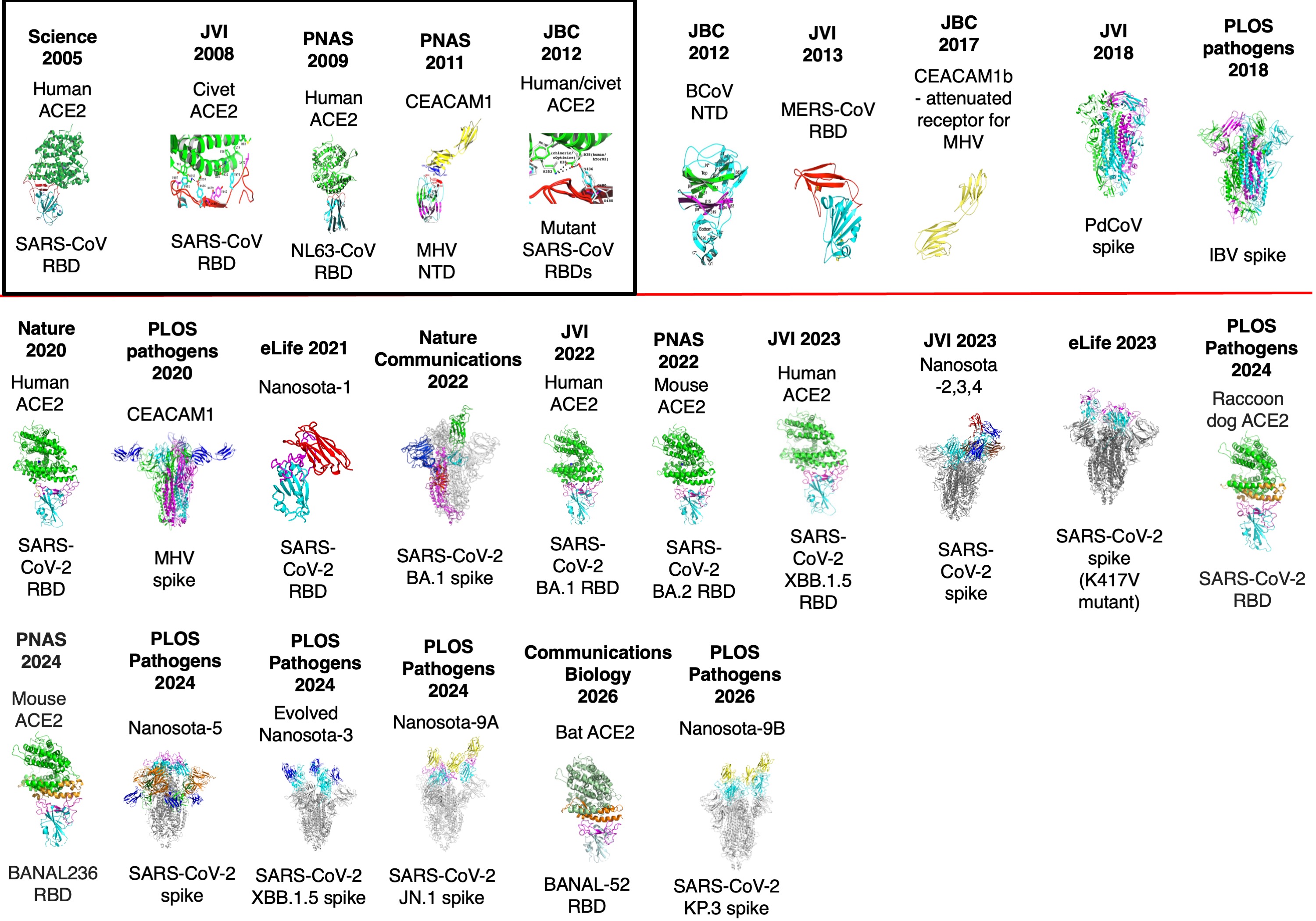
Professor Li is a pioneer in the structural biology of coronavirus entry. He laid the groundwork for the field by determining the first ten reported structures of coronavirus entry protein–receptor complexes across five seminal studies (2005–2012). His group has since elucidated the structure and function of many additional coronavirus entry proteins. His research spans SARS-CoV-2 (COVID-19), SARS-CoV-1, MERS-CoV, and diverse human and animal coronaviruses. Collectively, his work has established fundamental structural principles governing receptor recognition, cell entry, and cross-species transmission of coronaviruses.
During the COVID-19 pandemic, Professor Li’s laboratory identified key molecular mechanisms by which SARS-CoV-2 infects human cells and evades immune surveillance, while also providing structural insights into its evolutionary origin. These discoveries generated structural frameworks that have guided global pandemic responses.
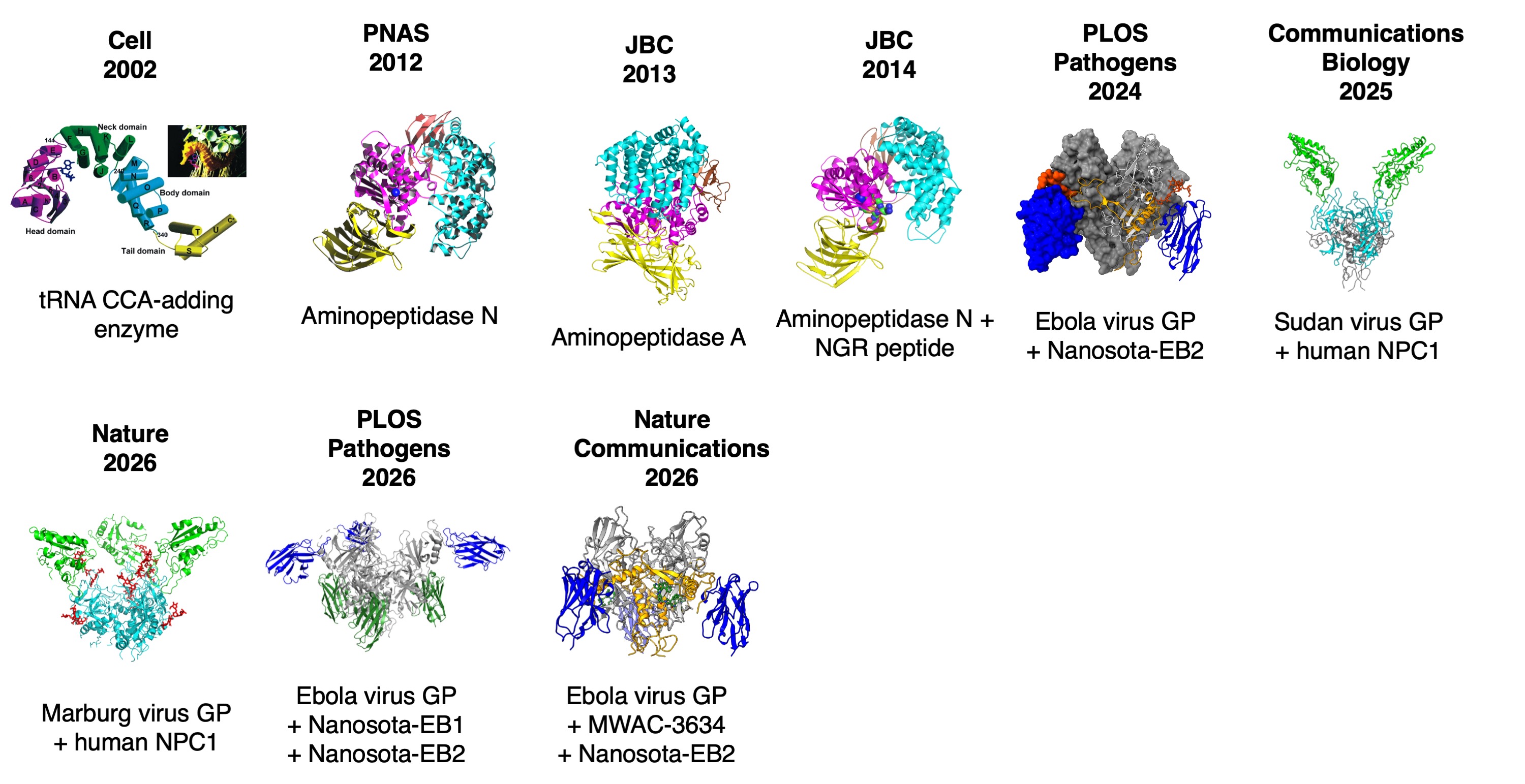
Extending these studies to other high-consequence viruses, Professor Li’s group has defined mechanisms by which Ebola, Sudan, and Marburg filoviruses recognize host receptors, evade immune detection, and mediate cell entry.
Building on these mechanistic discoveries, Professor Li has developed nanobody- and small-molecule-based viral entry inhibitors targeting SARS-CoV-2 and filoviruses. His group also pioneered a structure-guided in vitro evolution platform that enables rapid adaptation of nanobodies against emerging viral variants.
Beyond structural virology, Professor Li investigates the structural biology of cancer and other human diseases. His group has determined structures of enzymes that regulate tumor growth and metastasis, and is advancing structure-based therapeutic strategies targeting these pathways toward clinical translation. Overall, his research aims to translate fundamental structural discoveries into targeted therapies for human disease.
Selected coronavirus structures determined by the Li lab
Highlighted in the box are five seminal studies (2005-2012) that collectively report the first ten structures of coronavirus entry protein–receptor complexes ever determined, all from the Li lab.
Selected other disease-related structures determined by the Li lab
Laboratory
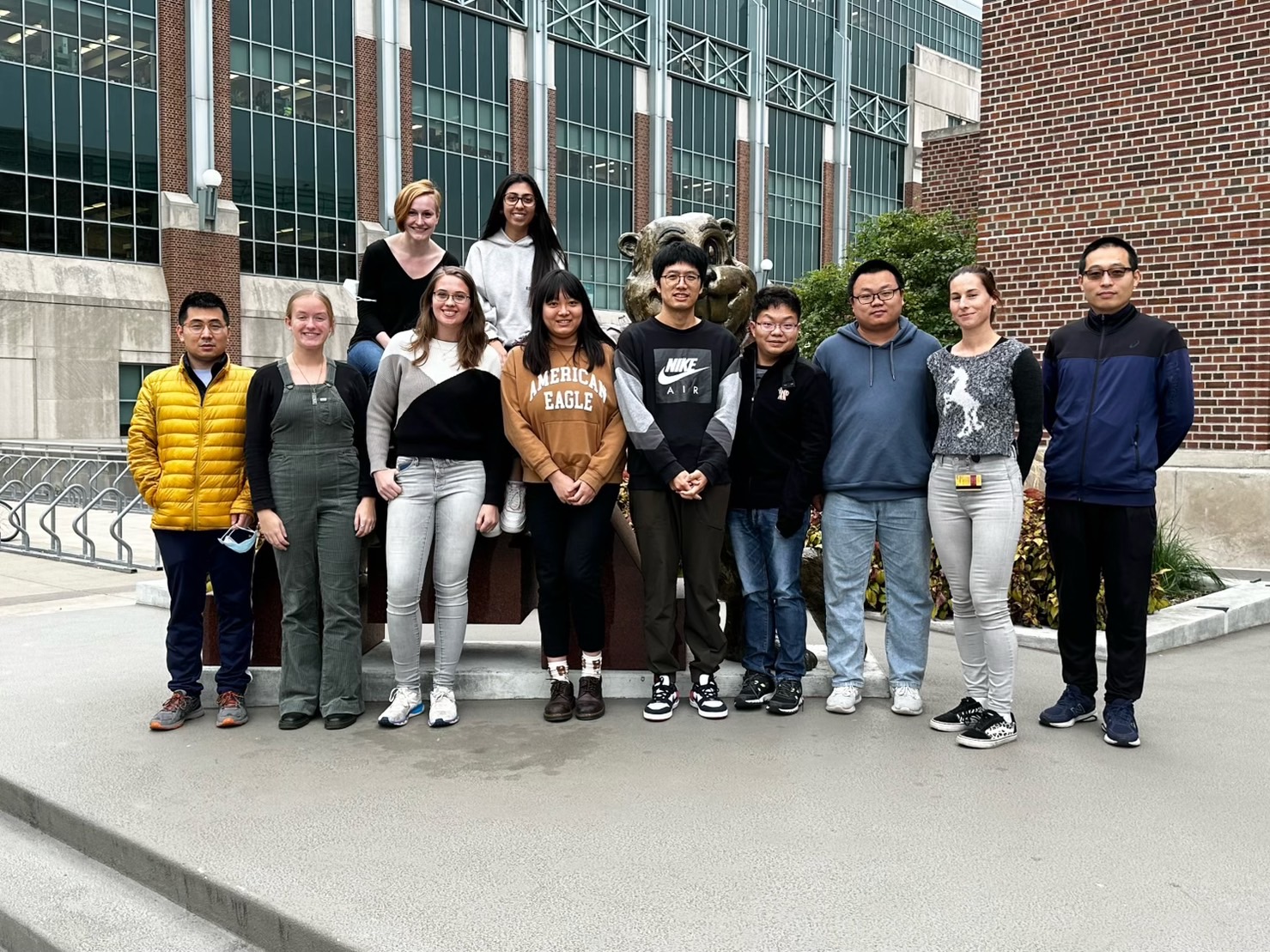
Li Lab, 2023
Movies
Plasmids
We are sharing COVID-19-related plasmids with the scientific community through Addgene.